A Practical Maintenance Routine for Your Engagement Ring and Wedding Band
Why a Consistent Care Routine Matters
A diamond engagement ring and its matching wedding band represent a significant investment and a daily reminder of a meaningful commitment. Because these pieces are worn every day, they are exposed to everything from hand lotion and household cleaners to accidental bumps and knocks. A simple, regular maintenance routine helps keep both the metal and the stones looking as brilliant as the day you first put them on. This article walks through the key checks and cleaning steps that any owner can follow at home, along with guidance on when to seek professional help.
Before you start, it is worth understanding that the condition of your rings affects more than appearance. A loose stone or a weakened prong can lead to a lost diamond, and surface scratches on precious metals can dull the overall sparkle. By making a short inspection part of your cleaning habit, you protect both the beauty and the security of the jewelry. The routine described here covers everything from daily care to periodic deep cleaning, with a focus on practical steps that take only a few minutes.
Daily and Weekly Habits
Small actions each day can prevent grime from building up. When you wash your hands, leave your rings on only if you are using a mild soap and rinsing thoroughly. Soap residue can cling to the underside of a diamond and reduce its brilliance. After washing, pat your rings dry with a soft cloth rather than letting them air dry, which can leave water spots. At the end of the day, take a moment to wipe the rings with a clean, lint-free cloth. This simple step removes oils from your skin and any dust that has settled on the metal.
If you work with your hands or handle chemicals such as bleach, paint, or garden fertilizers, it is wise to remove your rings temporarily. Even small amounts of harsh chemicals can discolor certain metals or weaken the setting. Store the rings in a safe place when you do, such as a dedicated compartment in a jewelry box or a soft pouch that will not scratch them.
Weekly Inspection Points
Once a week, take a close look at your rings under good light, ideally by a window or under a bright lamp. This inspection should take less than five minutes and can catch small problems before they become major ones. Here are the main things to check:

- Prongs and settings: Look at each prong that holds a diamond or gemstone. Are they still snug against the stone? A prong that has lifted or bent even slightly can allow a stone to shift. If you see a gap or feel a rough edge, note which prong it is.
- Loose stones: Gently shake the ring near your ear. A loose stone will often make a faint click against the metal. You can also try lightly tapping the stone with a fingernail; a secure stone will feel solid, while a loose one will move slightly.
- Metal condition: Examine the bands for surface scratches, dents, or areas where the metal has become thin. Wedding bands and engagement rings that are worn together can rub against each other over time, causing wear on the inner sides of the bands.
- Clasps and hinges: For rings that have a hinge or a latch, such as some adjustable bands, make sure the mechanism still locks firmly and does not show signs of loosening.
If you notice anything concerning, write down what you saw and schedule a visit to a jeweler within a week or two. Many jewelers offer complimentary ring inspections, and catching a loose prong early can save you the heartbreak of a lost diamond.
Deep Cleaning Your Rings
Even with daily wiping, a buildup of oils and debris will occur over time. A weekly or bi-weekly deep clean restores the original fire and brilliance. The safest method for most diamond rings and wedding bands is a warm water soak with a few drops of mild dish soap. Here is a straightforward process:
- Fill a small bowl with warm water and add two or three drops of mild soap. Avoid using anything with bleach, ammonia, or harsh detergents.
- Let the rings soak for 15 to 20 minutes. This loosens any grime trapped behind the stone or in the setting.
- Use a soft brush, such as a new baby toothbrush or a dedicated jewelry brush, to gently scrub the rings. Pay extra attention to the area under the stone and the crevices where the band meets the setting. Do not scrub too hard on delicate prongs.
- Rinse the rings thoroughly under running warm water. Hold them over a bowl or a plugged sink to prevent accidental loss down the drain.
- Pat them dry with a soft, lint-free cloth and leave them to air dry for a few minutes before wearing them again.
An ultrasonic cleaner can be effective for removing stubborn dirt from intricate settings, but it is not suitable for all rings. Rings with loose stones, certain gemstones like emeralds or opals, and some antique pieces may be damaged by the vibration. If you use an ultrasonic cleaner, follow the manufacturer's instructions and never run it for longer than the recommended cycle. When in doubt, stick with the gentle soap-and-water method, which is safe for almost every wedding ring set.
Professional Checkups and Insurance
Home care is essential, but it cannot replace a professional inspection. Once a year, take your engagement ring and wedding band to a trusted jeweler for a thorough check. A jeweler has tools such as a loupe or a microscope that reveal hairline cracks, wear on the prongs, or metal fatigue that you cannot see with the naked eye. They can also tighten loose stones and polish out minor scratches. Many jewelers offer this service for free or for a small fee if you bought the ring from them.
Jewelry insurance adds another layer of protection. A standard homeowners or renters policy often covers jewelry only up to a low limit and may not cover accidental loss or damage. A separate jewelry insurance policy, or a rider on your existing policy, covers repair or replacement if a stone falls out, the band is bent, or the ring is lost. Keep an updated appraisal and clear photographs of your rings so that any claim process goes smoothly. Review your policy annually, especially if the value of your rings has changed due to market fluctuations or upgrades.
When to Seek a Repair
Some maintenance issues are best left to a professional. If you see a prong that is noticeably bent, a stone that rocks in its setting, or a band that has cracked, do not try to fix it yourself. Jewelers have the skill and equipment to solder, retip, or resize rings without damaging the metal or the stones. Attempting a DIY repair with pliers or glue almost always makes the situation worse and can void any warranty.
Another common issue is ring resizing. If your ring no longer fits comfortably due to weight changes or seasonal swelling, a jeweler can add or remove metal. Resizing is straightforward for plain bands but more complex for rings with pave stones or intricate patterns. Always ask about the resizing process and any associated costs before leaving your ring with a jeweler.
Caring for Matching Wedding Rings as a Set
When you own an engagement ring and a wedding band that are designed to be worn together, the way they interact matters. The two rings can rub against each other, causing micro-scratches on the inner surfaces over time. The concept of caring for matching wedding rings involves a few simple adjustments. First, consider having the rings soldered together into a single piece. This prevents them from moving independently and eliminates the friction that causes wear. Not all couples prefer soldering, as it makes the set permanent and can complicate resizing later. An alternative is to wear a thin spacer band between them, which reduces direct metal-on-metal contact.
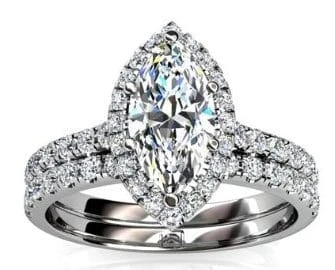
For those who choose to keep the rings separate, take them off together when cleaning or doing tasks that might cause impact. Store them in a lined jewelry box or a fabric pouch with a divider so they do not touch. A periodic check of the areas where the bands meet will reveal any developing wear, and a jeweler can polish out light scratches during a routine visit. This approach keeps both rings looking consistent and extends their life as a set.
Final Thoughts on a Lasting Shine
A maintenance routine for your engagement ring and wedding band does not have to be time-consuming. A few minutes of daily care, a weekly inspection, and a monthly deep clean will keep your rings looking their best for years. The key is consistency: making the habit part of your regular schedule so that small issues do not become costly repairs. Whether you own a classic solitaire, a vintage-inspired halo, or a modern tension set, the same principles apply. Protect your investment by staying aware of the condition of the metal and the security of the stones.
For many couples, caring for matching wedding rings is a shared responsibility. Both partners can learn the same cleaning and inspection steps, which makes the process easier and reinforces the value of the pieces. With a little attention and the occasional professional visit, your rings will continue to sparkle through anniversaries, daily routines, and life's many moments.